Staying well hydrated is one of the simplest ways to support normal body function. Water helps maintain blood volume, regulate body temperature, transport nutrients, and support the cardiovascular system.
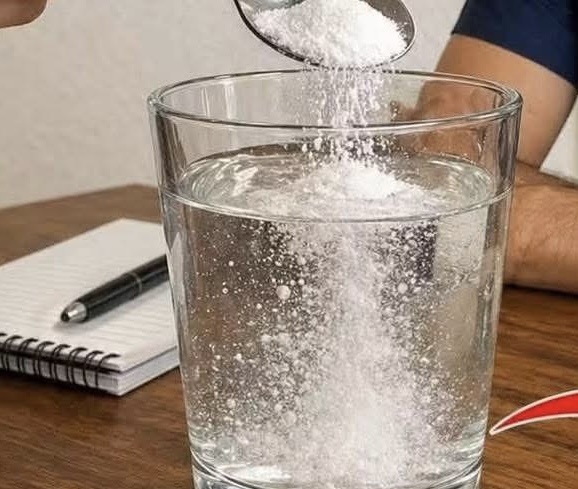
Social media posts sometimes claim that adding a particular powder or ingredient to water can dramatically restore circulation or make an older person’s blood flow “feel like their 20s.” Claims like these should be approached carefully. There is no single ingredient that can instantly rejuvenate blood circulation.
Here’s what actually matters and which additions to water may be useful in the right circumstances.
Why Hydration Matters for Circulation
Blood contains a large amount of water. When you become dehydrated, your total fluid volume can decrease, and your heart may have to work harder to circulate blood throughout the body.
Drinking enough fluids throughout the day therefore supports normal circulation, although drinking extra water beyond your body’s needs does not necessarily improve circulation further.
What About Electrolytes?
Electrolytes—including sodium, potassium, magnesium, and chloride—are minerals involved in fluid balance, muscle function, and nerve signaling.
An electrolyte drink may be helpful when someone has lost significant fluids and electrolytes through:
- Heavy sweating
- Prolonged exercise
- Vomiting or diarrhea
- Very hot weather
For most people going about normal daily activities, however, plain water and a balanced diet are usually sufficient.
Is Adding Salt to Water Good for Circulation?
Adding salt to every glass of water is not a proven method for improving circulation.
Sodium is an essential electrolyte, but most people obtain it through food. Consuming excessive sodium can contribute to higher blood pressure in salt-sensitive individuals and may be particularly concerning for people with hypertension, kidney disease, or certain heart conditions.
Specially formulated oral rehydration solutions contain carefully balanced amounts of water, sodium, and glucose and can be useful during significant fluid loss. They are different from simply adding an arbitrary spoonful of salt to water.
Other Ways to Support Healthy Circulation
Regular physical activity is one of the most useful lifestyle habits for cardiovascular health. Walking, cycling, swimming, and other forms of movement encourage blood flow while supporting the heart and blood vessels.
A balanced diet rich in vegetables, fruits, whole grains, legumes, nuts, and appropriate sources of protein can also contribute to cardiovascular health.
Other important habits include maintaining adequate hydration, avoiding smoking, getting sufficient sleep, and managing blood pressure, cholesterol, and blood sugar according to professional medical advice.
Be Careful With “Miracle Drink” Claims
No powder, spice, mineral, or homemade drink has been shown to make a person’s cardiovascular system decades younger overnight.
Symptoms such as persistent coldness or numbness in the hands or feet, leg swelling, unusual pain when walking, chest discomfort, or shortness of breath can have medical causes and should not be treated solely with homemade drinks.
Simple Hydration Option
For everyday hydration, start with a glass of plain water. If you prefer more flavor, try adding fresh lemon, cucumber, mint, or berries.
After prolonged exercise or substantial fluid loss, an appropriately formulated electrolyte drink may be useful, depending on individual needs.
Final Thoughts
Good circulation depends on much more than what you add to a glass of water. Staying hydrated is important, but regular movement, nutritious food, adequate sleep, and appropriate management of cardiovascular risk factors have a much greater role in long-term health.
Be especially cautious of online claims promising dramatic improvements from a mysterious ingredient added to water.
Disclaimer: This article provides general educational information and is not intended to diagnose, treat, cure, or prevent any medical condition.